A nail salon's cleanliness is easy to claim and specific to prove. The proof is not a scented room or a wiped counter; it is a set of repeatable habits a client can watch for: implements that arrive sealed, tools that are used once and thrown away, basins that are lined and cleaned between guests. Knowing what to look for takes sixty seconds and tells you more than any review.
The three systems to watch
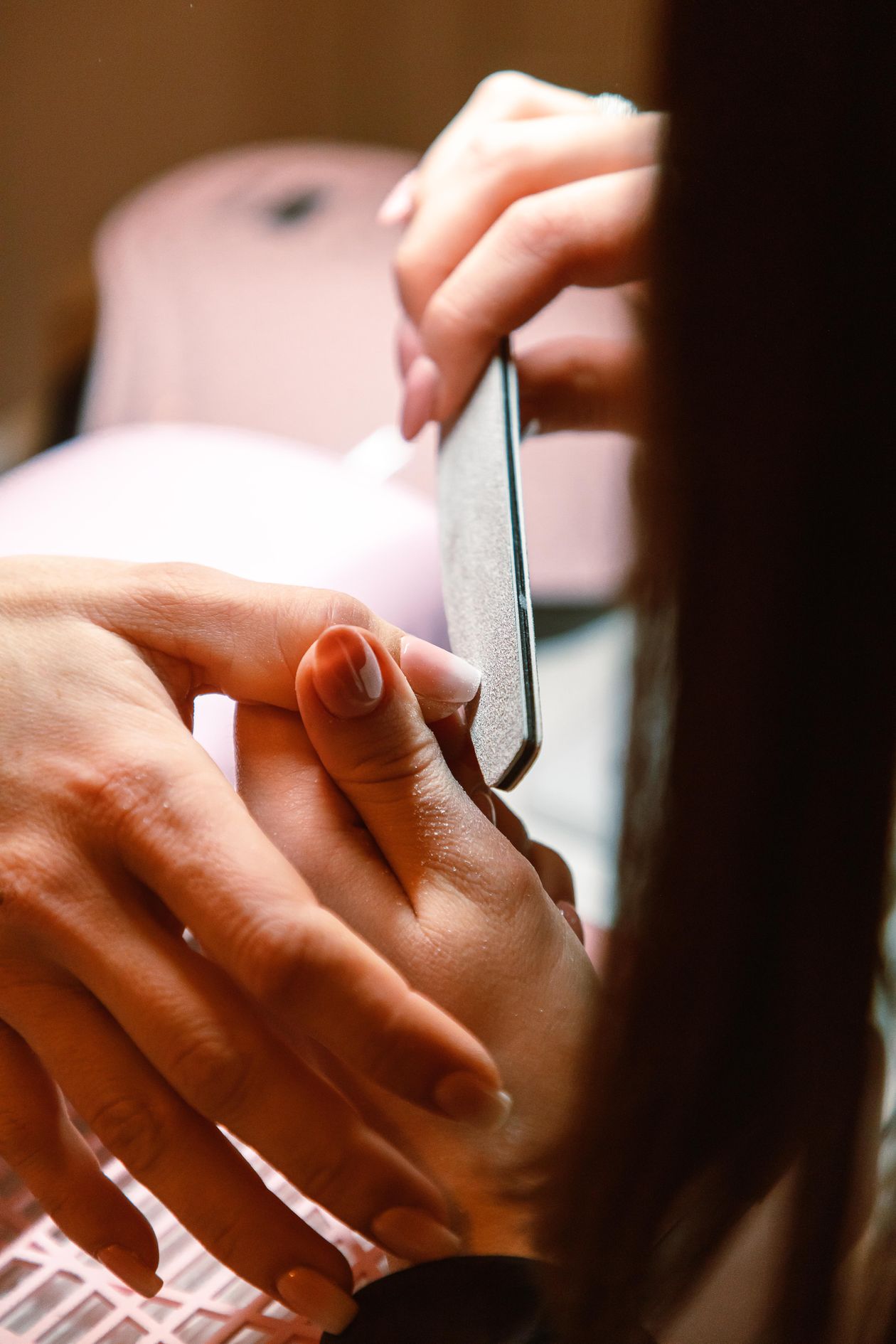
First, metal implements: nippers, pushers, and clippers should come from a sealed sterilization pouch, opened at your station, the same practice Sassy Nail Bar Morehead describes on its own site, heat sterilizer, sealed pouch, every guest. Second, porous tools: files, buffers, and pumice stones cannot be disinfected reliably, so they must be new for you and discarded or sent home with you afterward. Third, the pedicure basin: a fresh liner for each guest and a visible clean between clients, because the basin is where water and skin meet the salon's plumbing.
What to do with what you see
If a pouch is opened in front of you and the file is new, relax and enjoy the appointment; the system is working. If something looks off, a file pulled from a drawer of used-looking tools, a basin refilled without a liner change, asking a plain question is reasonable and any good salon answers it without offense. Your own part matters too: arrive with healthy skin, reschedule if you have a cut, rash, or infected nail, and never ask a technician to work around broken skin. Sanitation is a two-way agreement between the chair and the table.
The client's half of the bargain
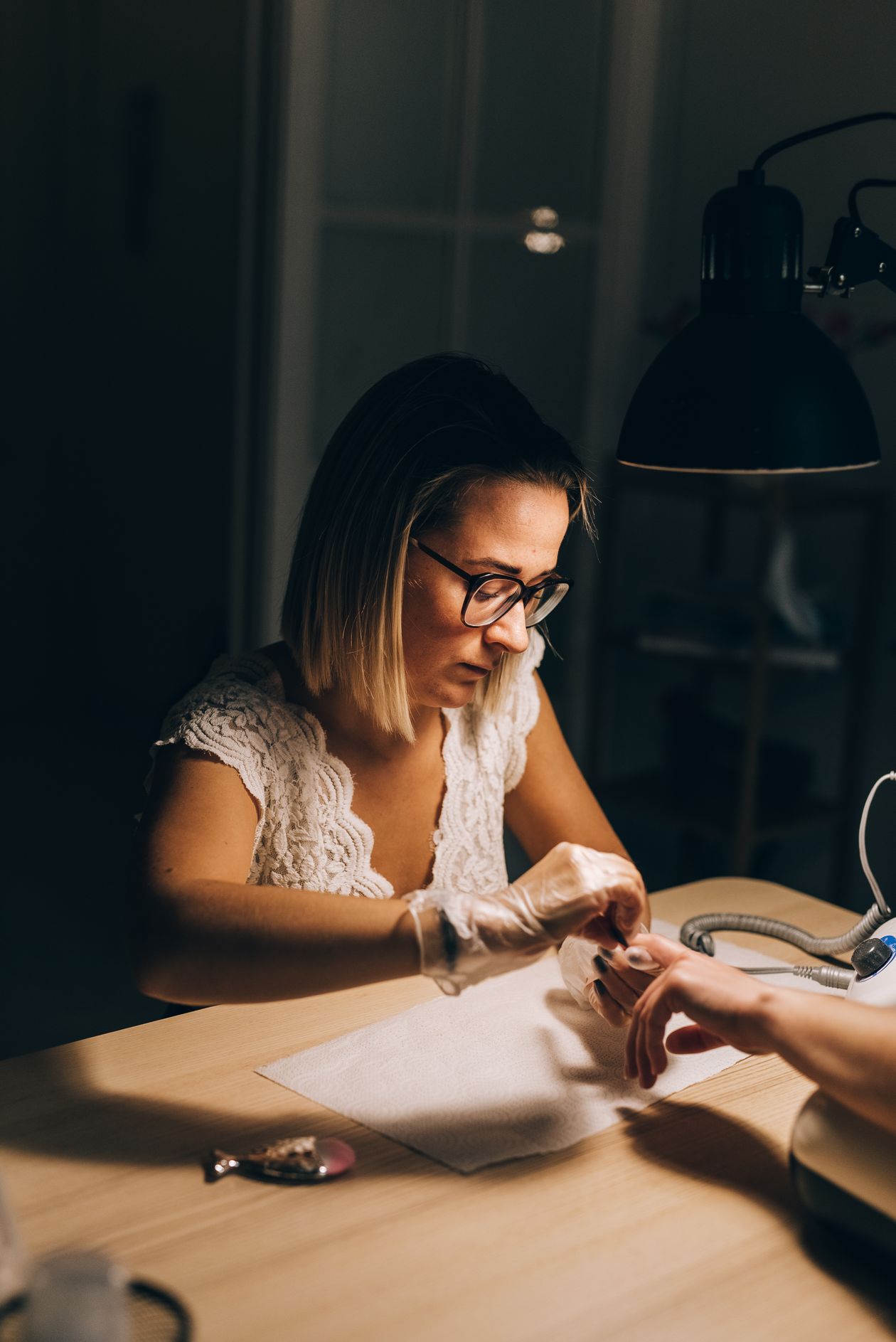
Sanitation runs both ways across the manicure table. Arrive with hands and feet as clean as ordinary washing makes them, disclose cuts, rashes, or anything that looks infected, and be willing to reschedule a service when a technician flags a concern. That flag is not a sales tactic; working on compromised skin exposes you first and the next client second, and a salon that protects you from its own chair is demonstrating the system working as designed.
At home, your tools deserve the same logic. Personal clippers and files should be yours alone, washed and dried rather than left damp in a bag. And skip the razor-style callus shavers sold for home use: they cut living skin along with dead, are illegal for salon use in many places for exactly that reason, and turn a maintenance task into a wound risk. A pumice, patience, and a regular pedicure chair accomplish the same result inside the law and inside the skin's tolerance.
Price tells you less about sanitation than process does. A modest salon running sealed pouches, fresh liners, and single-use files is practicing better infection control than an expensive one coasting on appearance. The systems described here cost money and time on every single client, which is exactly why watching them happen matters: they cannot be faked for one observant customer without being the salon's actual routine. When you find a salon whose routine passes your sixty-second inspection, that is worth loyalty, and worth saying out loud to the staff, who rarely hear that their least glamorous work is the reason a client stays.
That is the through line in every part of this guide: the appointment rewards the client who arrives informed, says what they need plainly, and treats the service as a working partnership rather than a performance to be judged afterward by anyone, including themselves, on the drive home.
Look once, ask once if you need to, and then spend the rest of the appointment enjoying the rare pleasure of being properly looked after.
Common questions
Why can't files be cleaned and reused?
Files, buffers, and pumice are porous: they trap skin and moisture and cannot be fully disinfected. Reputable salons treat them as single-use.
What is the sealed pouch for?
It holds metal implements after heat sterilization and keeps them sterile until opened for one client, the same logic as a dental office.
Should I skip a pedicure if I have a small cut?
Yes, postpone. Soaking broken skin raises infection risk for you and others, and a good salon will happily rebook once it has healed.
Photos in this guide are representative stock images.
← All guides from Sassy Nail Bar Morehead← Back to Sassy Nail Bar Morehead