Nail care collects myths because nails are visible, slow-growing, and mysterious: things that happened to them months ago show up today. The delay between cause and effect lets folklore move in. Sorting the common beliefs helps you spend worry, and money, on the things that actually change your nails.
Myth one: nails need to breathe
- Know what a nail is. The visible nail is dead keratin, like the surface of hair. It has no lungs and takes in no oxygen from the air.
- Know where nails are fed. Growth and health come from the living nail bed and matrix underneath, supplied by blood, not by exposure.
- Take breaks for the right reason. A pause between enhancement cycles can still help if nails are thinned from removals or you want the plate to grow out, but the reason is recovery from wear, not breathing.
- Spend the effort on oil instead. Cuticle oil and gentle handling do more for a natural nail than any amount of fresh air.
Myth two: white spots mean a deficiency
The small white spots that appear on nails are almost always bruises in miniature: minor knocks to the growing nail weeks earlier, a slammed drawer, a keyboard habit, that surface as the nail grows out. They grow out with the nail and disappear. Calcium and zinc get blamed by tradition, but a single spot on one nail is a diary entry about a bump, not a blood test. Spots on every nail at once, or discoloration that does not grow out, is a different matter and belongs in front of a doctor, not a manicurist.
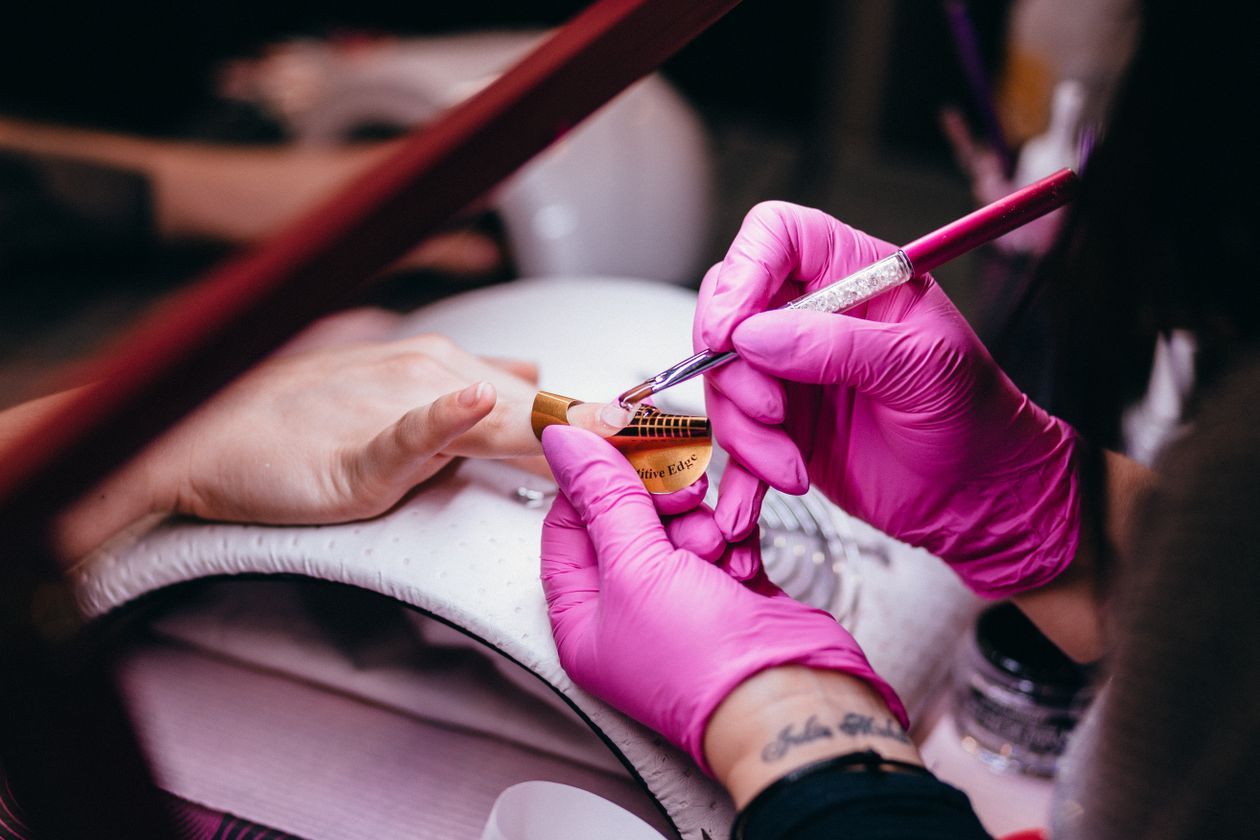
Myth three: cuticles should be cut away
The cuticle is a seal, not an error. It closes the gap between skin and nail against water and bacteria. Aggressive cutting breaks that seal and invites the redness and soreness people then blame on the salon. The careful approach is softening and gentle pushing, with only loose, detached skin trimmed. At home, the equivalent rule is oil and patience: moisturized cuticles recede neatly on their own schedule.
The myth that sells the most product
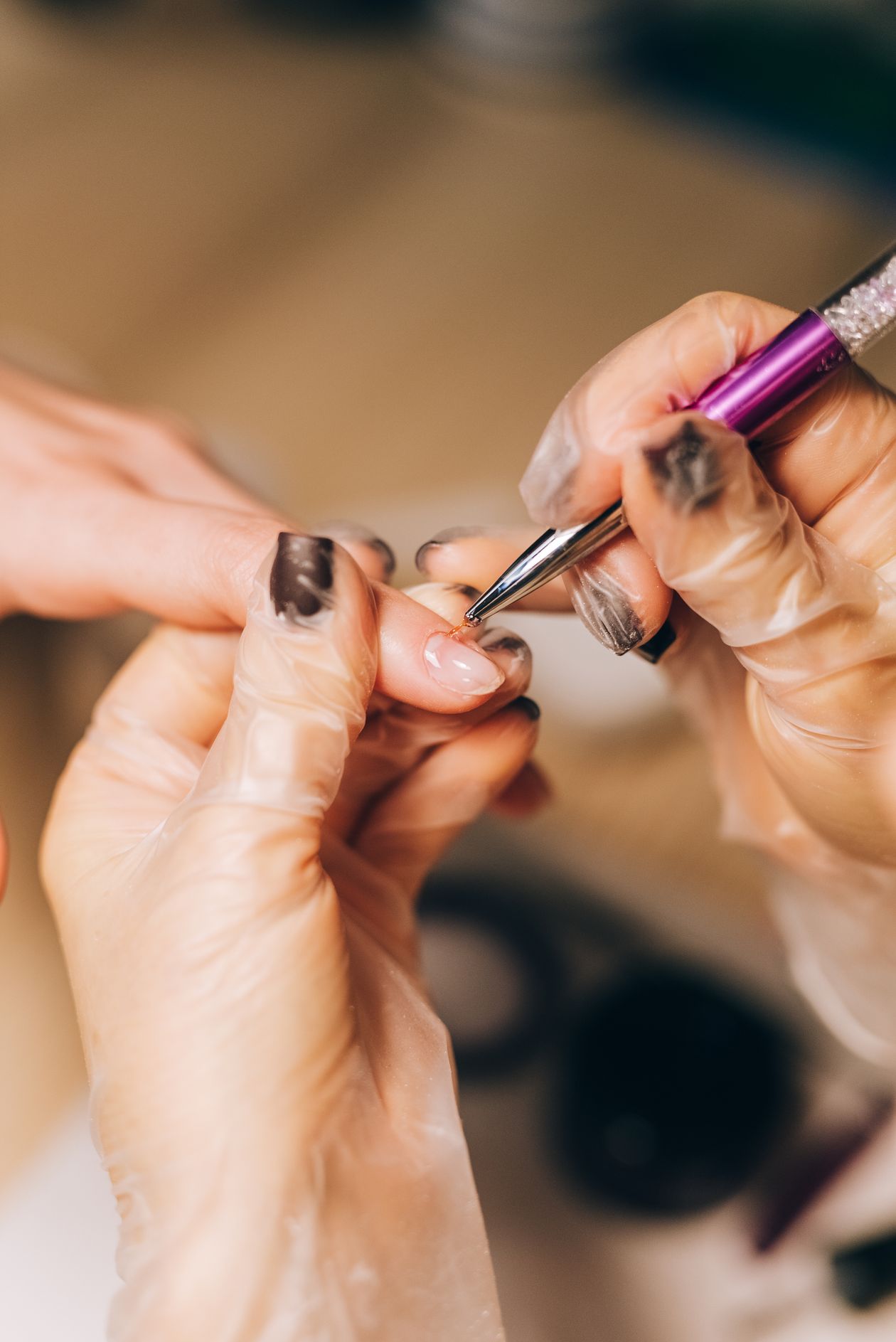
One more belief deserves a place here, because it is the most commercial of the set: the idea that a supplement, oil, or miracle hardener will transform weak nails in a week. Nails grow slowly, about three millimeters a month for fingernails, so anything that truly changes the nail plate has to be judged over months, on the new growth, not the old. Most of what people call weak nails is actually dehydrated or mechanically damaged nail, and it responds to unglamorous care: oil, gloves, gentle filing in one direction, and removals done properly.
That timeline is also the good news hidden in every nail problem. Damage is temporary by construction. The nail you see today is replaced, cell by cell, by new growth from a healthy matrix, which means a season of decent habits produces a visibly different hand by the next season. Folklore promises faster. Biology delivers slower, and actually delivers.
If you take one replacement belief from this sorting, let it be this: nails are a record, not a mystery. Their present condition describes their recent treatment, removals, knocks, water, work, and care, with a lag of weeks built in. Reading them that way turns every disappointment into information. A set that lifted points at preparation or lifestyle; a plate that thinned points at removal; a spot points at a drawer you closed on your hand in August. Records can be changed by changing what writes them, which is a more hopeful doctrine than folklore usually offers.
That is the through line in every part of this guide: the appointment rewards the client who arrives informed, says what they need plainly, and treats the service as a working partnership rather than a performance to be judged afterward by anyone, including themselves, on the drive home.
Your nails will keep their own counsel either way; better that it be an accurate record than a frightening one.
Common questions
Do enhancements ruin natural nails?
Properly applied and properly removed, no, for most people. The damage pattern almost always traces to prying, peeling, or over-filing during removal.
Should I take a break between sets?
If your nails feel thin or sore, a few weeks of plain manicures and oil while damage grows out is sensible. It is a repair pause, not a breathing requirement.
When is a nail problem a doctor problem?
Discoloration that does not grow out, separation, pain, swelling, or changes on many nails at once. Salons work on appearance; medicine is for symptoms.
Photos in this guide are representative stock images.
← All guides from Sassy Nail Bar Morehead← Back to Sassy Nail Bar Morehead